Langar at the Golden Temple – The World’s Largest Free Community Kitchen
History and Origin of Langar at the Golden Temple
Principles of Equality and Seva in Langar
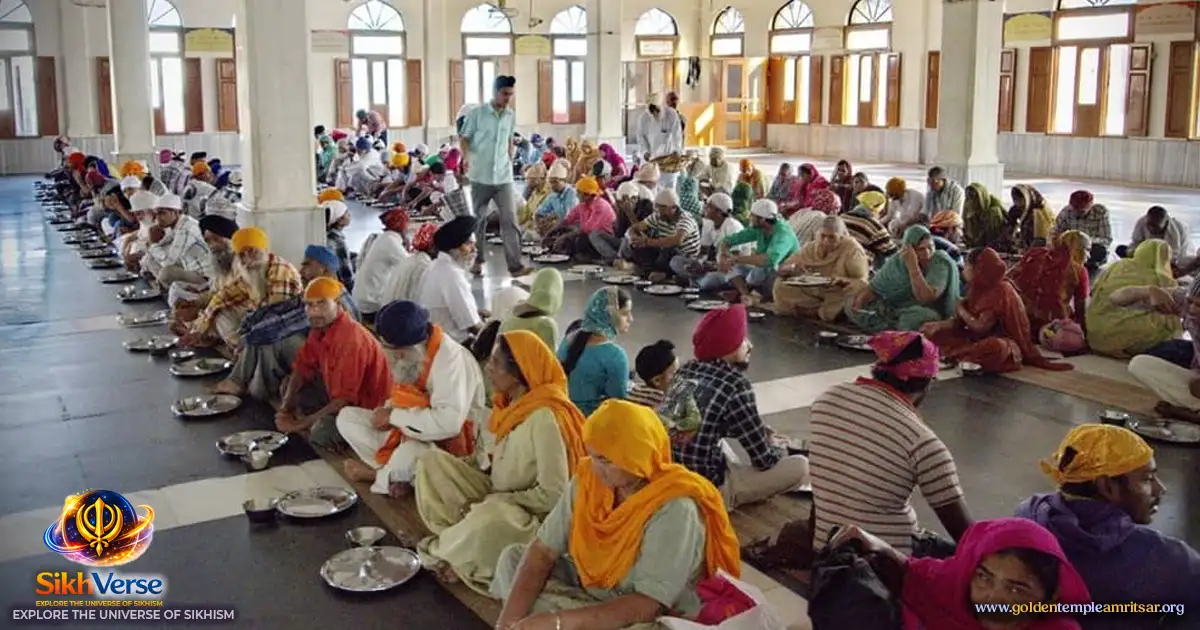 Devotees from all backgrounds sit together in pangat to share langar, reflecting equality and
unity at the Golden Temple
Devotees from all backgrounds sit together in pangat to share langar, reflecting equality and
unity at the Golden Temple
What is Guru Ka Langar at the Golden Temple?
The Sacred Community Kitchen of Sikhism
A Tradition of Equality and Service
Guru Ka Langar is one of the most remarkable and inspiring traditions associated with Sri Darbar Sahib,
also known as the Golden Temple in Amritsar. The Langar is a community kitchen where free meals are
served to everyone regardless of religion, caste, nationality, or social status. This tradition
represents the core Sikh values of equality, humility, and selfless service.
The concept of Langar was introduced by Guru Nanak Dev Ji, the founder of Sikhism. He believed that all
human beings are equal and should share food together without discrimination. At the Golden Temple this
tradition continues every day as thousands of visitors sit together on the floor and share a simple
vegetarian meal prepared by volunteers.
Key Facts about Guru Ka Langar
The Largest Free Community Kitchen
A Living Tradition of Sikh Service
The Langar at the Golden Temple is considered one of the largest free community kitchens in the world.
Every day tens of thousands of visitors are served meals prepared in the Langar hall. During major Sikh
festivals this number can rise to more than one hundred thousand people.
The food served in the Langar is vegetarian so that people from all cultures and religions can
comfortably share the meal. The kitchen operates almost continuously and relies on donations and
voluntary service from devotees.
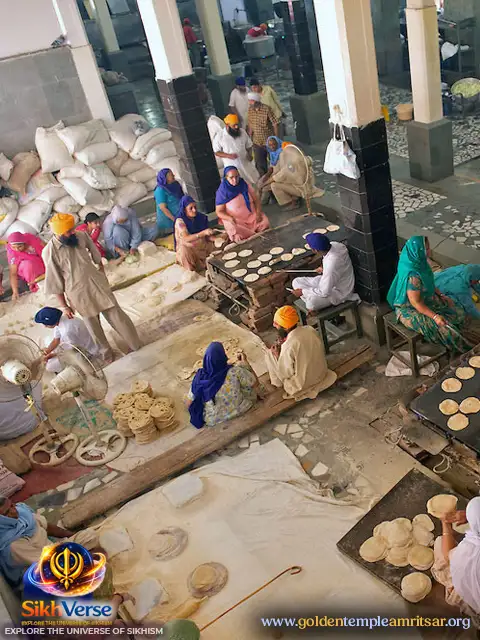 Dedicated volunteers perform seva by preparing meals in the massive langar kitchen
that feeds
thousands daily at the Golden Temple.
The Spirit of Seva in the Langar
Voluntary Service by Devotees
A Sacred Act of Humility
The preparation and serving of Langar food is carried out by volunteers known as sevadars. These volunteers
come from different parts of India and from around the world. Many pilgrims consider it a blessing to
participate in Langar seva.
Seva activities include chopping vegetables, cooking food, making rotis, serving meals, washing dishes, and
cleaning the dining hall. This collective effort symbolizes humility and unity within the Sikh
community.
Historical Significance of the Langar Tradition
Started by Guru Nanak Dev Ji
A Revolutionary Social Practice
The tradition of Langar was started by Guru Nanak Dev Ji in the 15th century as a way to promote equality and
social harmony. At a time when society was deeply divided by caste and social status, the idea of people
sitting together and sharing a meal was revolutionary.
The Sikh Gurus continued to expand this tradition and made Langar an essential part of every gurdwara. Today
the Langar at the Golden Temple stands as a powerful symbol of unity and compassion.
People from different countries and cultures participate in the Langar experience, demonstrating that the
message of equality taught by the Sikh Gurus remains relevant in the modern world.
This tradition continues to inspire millions of people and reflects the universal values of Sikhism.
The Experience of Eating in the Langar Hall
Sharing Food as Equals
A Unique Spiritual Experience
Visitors who come to the Golden Temple often consider participating in Guru Ka Langar one of the most
memorable experiences of their visit. Everyone sits together on the floor in rows known as pangat and
receives food served by volunteers.
The simple vegetarian meal usually includes dal, roti, vegetables, rice, and occasionally kheer. Although
the food is simple, the experience of sharing it with people from all walks of life creates a powerful
sense of unity.
The Langar hall reflects the Sikh teaching that no one is higher or lower than another. All people are
treated equally while sharing the meal.
This powerful message of equality and compassion continues to make Guru Ka Langar one of the most
inspiring traditions in the world.
Discover the Spiritual Side of Your Visit
Go Beyond Travel – Understand Sikhism
While visiting Sri Darbar Sahib (The Golden Temple) Amritsar
you are not just exploring a place
but a way of life based on equality, service, and devotion.
"We welcome your suggestions and comments"
Heritage Initiative
Discounted Website Services for Gurudwaras
Specially discounted website development services for historical Gurudwaras under our heritage support program.
View Details
Stay Connected
Join our community to receive updates and event invitations.
Create Positive Impact
Stand with us in preserving heritage, promoting knowledge, and supporting community initiatives.
Donate Now
Frequently Asked Questions
What is Langar in Sikhism?
Langar is a free community kitchen in Sikhism where meals are served to everyone regardless of caste, religion, or social status.
Who started the Langar tradition?
The Langar system was started by Guru Nanak Dev Ji to promote equality, sharing, and selfless service (Seva).
Is Langar only available at the Golden Temple?
No, Langar is served at every Gurudwara worldwide and is open to all people without discrimination.

